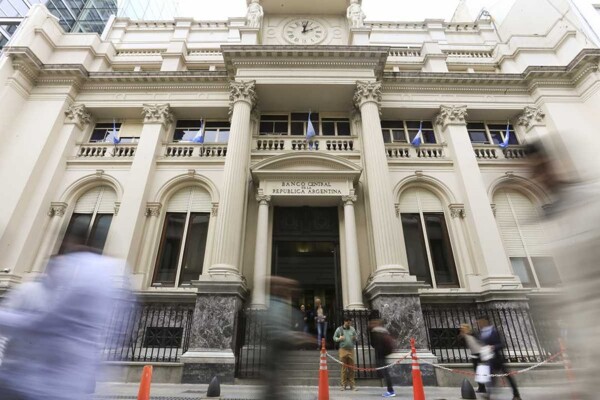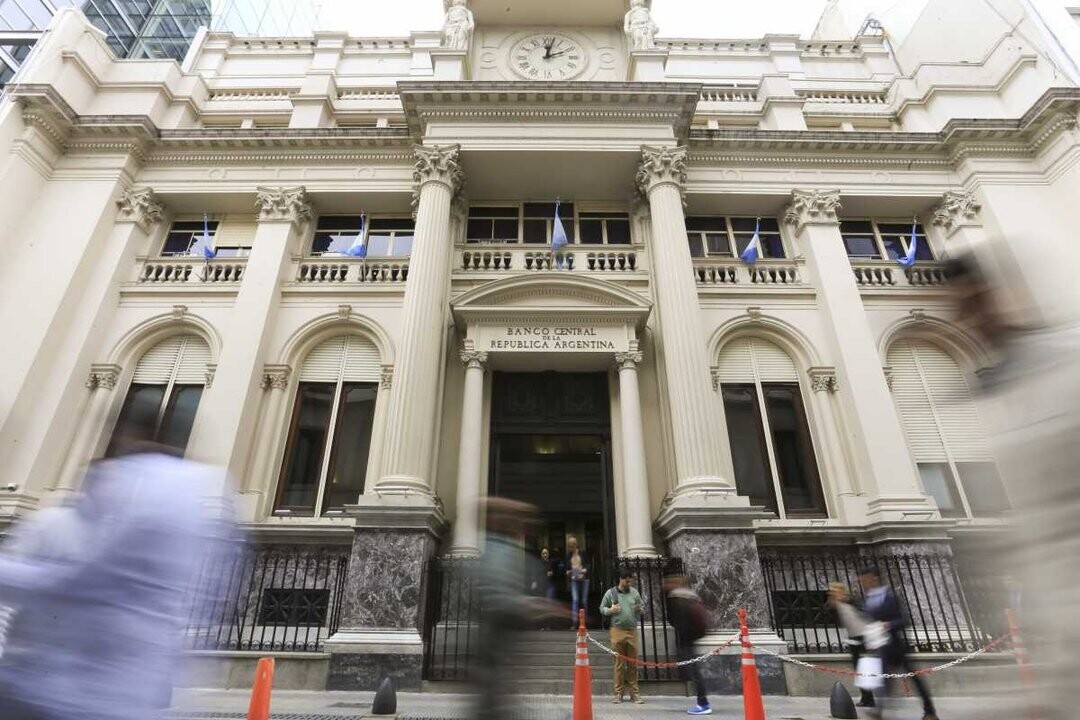
Buenos Aires, December 15 (NA) -- The Central Bank of the Republic Argentina (BCRA) today carried out the purchase of over US$300 million, in line with the announcement to accumulate reserves through 2026. According to the Argentine News Agency, the entity headed by Santiago Bausili purchased a total of US$332 million: reserves increased from US$41.902 billion to US$42.234 billion between today and Friday. The increase in foreign currency accumulation aligns with the announcement made by the same entity today, which committed to carrying out "a consistent accumulation program." This also centers on the request from the International Monetary Fund (IMF) to accumulate more reserves, which it considered a "challenging" goal for this year. "Monetary and exchange rate policies will have to make more ambitious contributions to accumulate reserves, which will help Argentina face potential shocks and facilitate access to markets," said Julie Kozack, IMF spokesperson. More reserves for 2026 The Central Bank announced that the dollar's fluctuation bands will be updated for inflation. In line with the IMF's request, the entity headed by Bausili communicated today the phase of re-monetization it will implement starting next year, where it committed to accumulating reserves under "a consistent accumulation program." In this sense, it explained that an increase in the monetary base from the current 4.2% of GDP (Gross Domestic Product) to 4.8% of GDP is expected for December of next year, which would allow it to buy around US$10,000 billion subject to the supply of balance of payments flows. And it added that with an increase in money demand of 1% of GDP, that figure could climb to US$17,000 billion "without requiring sustained sterilization efforts".